
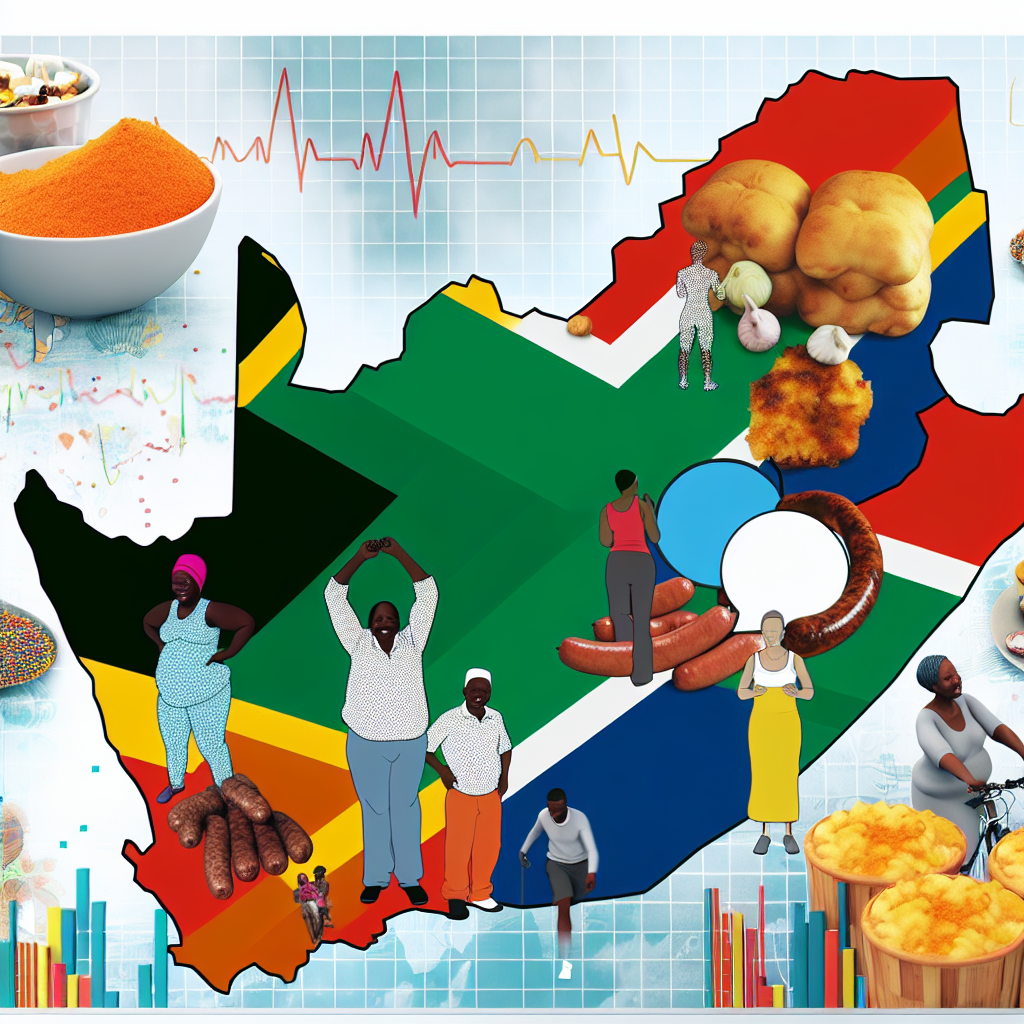
South Africa’s Obesity Crisis Poses Serious Health Risks
South Africa is grappling with a growing obesity crisis that poses significant health challenges for its population. With lifestyle changes, urbanization, and poor dietary habits contributing to rising obesity rates, experts worry about the long-term implications for public health in the nation. In this blog post, we delve into the factors driving obesity in South Africa, the associated health risks, and potential strategies to address this critical issue.
The Current State of Obesity in South Africa
Obesity rates in South Africa are alarmingly high, making it one of the most significant health challenges facing the nation today. According to the World Health Organization (WHO), the prevalence of obesity among adults in South Africa is on the rise, leading the African continent in obesity statistics. As of the latest data, approximately 28% of men and 60% of women in South Africa are classified as overweight or obese.
Understanding the Causes of Obesity
The causes of obesity in South Africa are multifaceted, influenced by a combination of lifestyle, economic, and environmental factors. Here are some of the major contributors:
- Urbanization: With increasing urban migration, many South Africans have adopted sedentary lifestyles, characterized by less physical activity and an unhealthy diet.
- Poor Dietary Choices: The rise of fast food chains and highly processed foods has led to excessive calorie consumption. Traditional diets rich in vegetables and lean meats have been overshadowed by high-fat, sugary snacks and beverages.
- Economic Factors: In low-income communities, cheaper food options often include calorie-rich, low-nutrient products, contributing to weight gain.
The Health Risks Associated with Obesity
Obesity is not just a cosmetic concern; it is a chronic disease that significantly increases the risk of various health problems. In South Africa, the obesity epidemic is linked to a surge in non-communicable diseases (NCDs), which now account for a large portion of healthcare burdens. Key health risks include:
- Diabetes: Type 2 diabetes is closely associated with obesity. The excess fat in the body affects insulin production and use, leading to elevated blood sugar levels.
- Cardiovascular Diseases: Obesity increases the risk of developing conditions such as hypertension, heart diseases, and stroke due to increased cholesterol levels and inflammation.
- Respiratory Issues: Excess weight can exacerbate conditions like asthma and sleep apnea, leading to breathing difficulties.
- Joint Problems: Carrying extra weight puts pressure on joints, increasing the risk of osteoarthritis, particularly in the knees and hips.
Impact on Mental Health
In addition to physical health risks, obesity can also have profound effects on mental health. Obese individuals often face social stigma, discrimination, and low self-esteem, which can lead to anxiety and depression.
Strategies for Combating Obesity in South Africa
Addressing obesity in South Africa requires a comprehensive and multi-pronged approach that involves various stakeholders, including government entities, healthcare providers, private sectors, and communities. Below are some strategies that could help in curbing the obesity epidemic:
Government Interventions
The South African government can play a crucial role in implementing policies aimed at reducing obesity. Proposed measures might include:
- Public Health Campaigns: Launching awareness campaigns to educate the public about the importance of a balanced diet and regular physical activity.
- Taxation of Sugary Drinks: Implementing taxes on sugary beverages to discourage excessive consumption, similar to the sugar tax introduced in 2018.
- Regulating Food Advertising: Restricting advertisements for unhealthy foods, especially those targeted at children, to promote healthier dietary habits.
Community and Grassroots Efforts
Community-based initiatives are vital for implementing localized solutions that resonate with the population. These can include:
- Fitness Programs: Establishing community fitness programs to encourage physical activity, such as walking clubs or exercise classes in local parks.
- Healthy Cooking Workshops: Providing cooking classes that focus on traditional and nutritious meal preparation to promote healthier eating habits.
- School-Based Programs: Integrating health education into school curricula to teach children about nutrition and the benefits of an active lifestyle.
Role of Healthcare Providers
Healthcare professionals play a pivotal role in identifying, managing, and preventing obesity. Possible actions include:
- Screening and Counseling: Regular health screenings to identify obesity early and offer counseling and support for weight management.
- Collaborative Care: Encouraging collaboration between dietitians, fitness experts, and mental health professionals to provide comprehensive care for obese individuals.
Conclusion
South Africa’s obesity crisis is a multifaceted issue that demands immediate attention and action. By implementing effective strategies and fostering collaboration across various sectors, the country can begin to reverse the upward trend in obesity rates. Such concerted efforts will not only improve the health outcomes of individuals but also alleviate the societal and economic burdens associated with this growing epidemic. Ultimately, a healthier South Africa is only achievable through collective action and sustained commitment to change.
“`
No responses yet